Introduction
When a life hangs in the equilibrium, every second matters. Cardiopulmonary resuscitation (CPR) becomes a sign of hope, a skill that can turn anguish right into survival. Annually, countless people experience cardiac arrest, and it's typically spectators who possess training from a first help course that save lives. This short article dives deeply into the life-saving relevance of mouth-to-mouth resuscitation, weaving in stories from real-life situations where CPR made all the distinction. From recognizing the basics to checking out moving accounts of heroism, we will certainly unwind the need of this ability in our everyday lives.
The Life-Saving Relevance of Mouth-to-mouth Resuscitation: Stories from the Field
What is CPR?
Cardiopulmonary Resuscitation (MOUTH-TO-MOUTH RESUSCITATION) is an emergency situation treatment performed on people whose heart has actually quit beating or that have stopped breathing. This method combines breast compressions with synthetic air flow to preserve blood circulation and oxygenation until professional medical assistance gets here. Acknowledging its importance could imply the difference in between nearby first aid courses in Canberra life and death.
Why is CPR Important?
Every year, around 350,000 cardiac arrests occur outdoors hospitals in the United States alone. According to research, prompt mouth-to-mouth resuscitation can double or triple a victim's possibility of survival. By finding out just how to carry out CPR through appropriate CPR courses, you furnish on your own with the devices necessary to act emphatically in emergencies.
Personal Accounts: Lives Transformed Via CPR
A Spectator's Account
Imagine a warm mid-day at a neighborhood park when unexpectedly, a male breaks down while jogging. Onlookers are iced up in shock until a single person advances-- their first help certificate in hand and knowledge fresh from their current first help and CPR course They initiate mouth-to-mouth resuscitation within minutes, keeping blood moving to his heart and brain up until paramedics arrive. This story exhibits how qualified individuals can make a life-saving difference.
A Youngster's Brave Act
In an additional circumstances, an 11-year-old woman had actually just finished her first help courses at school when she witnessed her daddy collapse in your home due to cardiac arrest. Remembering her lessons on carrying out upper body compressions and calling for assistance, she managed to maintain him to life until emergency situation services showed up. This touching story highlights that age does not restrict one's capacity to conserve lives; it simply takes proper training.
The Science Behind CPR
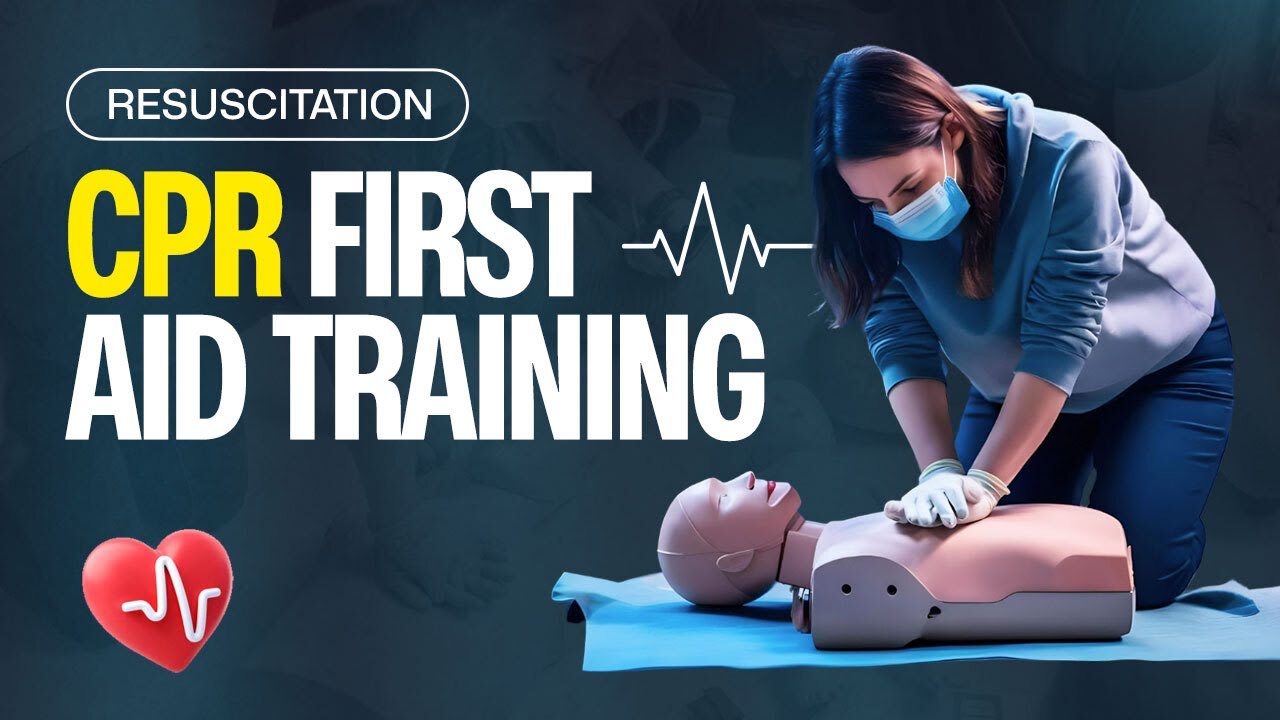
Performing mouth-to-mouth resuscitation includes 2 key parts: breast compressions and rescue breaths. Breast compressions maintain blood flow while rescue breaths supply oxygen to vital organs.
- Chest Compressions: Pressing the chest a minimum of 2 inches deep at a rate of 100-120 compressions per min keeps blood circulating. Rescue Breaths: For adults, after every 30 breast compressions, 2 rescue breaths should be provided if trained to do so.
Understanding these techniques is vital for any individual looking to handle the obligation of conserving one more's life.

Types of CPR Courses Available
Community Courses vs. Expert Training
Community-based courses are typically developed for non-medical employees that desire basic knowledge.
Professional training courses provide specifically to healthcare providers that require sophisticated abilities for crucial situations.
Online vs. In-Person Training
With technology's development, numerous institutions currently use on the internet options for those aiming to earn their first aid certificates conveniently:
- Online Courses: Versatile scheduling but may do not have useful hands-on experience. In-Person Courses: Permit individuals to practice techniques under professional supervision however require more commitment pertaining to time and location.
Choosing the Right Course for You
Before joining in any type of program, consider your objectives-- are you seeking individual abilities or expert qualifications? Comprehending your intent will certainly lead you toward selecting a proper program tailored to satisfy your needs.
The Role of Emergency treatment and CPR Certification
Why Obtain Certified?
Certification from respectable companies gives reliability and enhances your understanding regarding emergency situation actions:
- Employers often like qualified individuals for duties requiring first-aid readiness. Certification assists you stay updated with existing guidelines that evolve based on research study findings.
How Commonly Must You Restore Your Certification?
It's normally suggested that complete accreditation be renewed every 2 years; however, some organizations might suggest annual refresher courses or workshops to preserve proficiency in abilities learned during your initial training.
Benefits Beyond Emergency situation Situations
Learning emergency treatment expands past simply carrying out CPR; it includes acknowledging indicators of stroke (utilizing FAST), treating burns or wounds efficiently, managing choking occurrences-- all crucial skills that add favorably during emergencies.
The Emotional Influence of Knowing CPR
Building Self-confidence in Emergencies
One major benefit experienced by individuals that finish a first help course is increased self-confidence when faced with possible emergencies:
Knowledge decreases fear.
You really feel encouraged understanding you can make a distinction if needed.
Overcoming Hesitation During Emergencies
Many people wait when seeing an emergency because of fear of making errors or intensifying circumstances; however:
- Having undergone training reduces problems regarding inaccurate techniques. Familiarity leads you towards instinctive activity instead of paralysis by analysis.
Real-Life Success Stories Post-CPR Training
Case Research: The Lifeguard Incident
A lifeguard trained through local area programs successfully revitalized a drowning sufferer utilizing his obtained skills:
Immediate evaluation adhered to by launching rescue breaths.
Coordination with emergency situation -responders guaranteed prompt clinical treatment post-rescue effort leading towards recuperation without lasting effects!
This example highlights why regular engagement in such courses raises recognition around safety measures within various setups like swimming pools or beaches!
Recognizing the Indicators Very early On
Another account informs us about a private mindful enough after completing their first aid training-- they saw someone having seizures while out grocery purchasing! As they stepped into activity rapidly evaluating signs and symptoms appropriately providing care before paramedics could arrive-- the result declared due diligence pays off!
Barriers to Learning First Aid and CPR
Common Mistaken beliefs Concerning First Aid Training
Some believe that emergency treatment training requires comprehensive clinical understanding or time commitment-- it doesn't! Most programs use concise yet extensive coverage ideal for all degrees-- from newbies wanting standard details up via professionals seeking certifications!
Accessibility Issues
Access remains an issue due mostly limited accessibility worrying locations supplying these necessary lifesaving abilities; therefore organizations should work in the direction of connecting gaps making certain everybody obtains possibilities regardless geographical limitations!
How Areas Can Promote Emergency Treatment Awareness
Partnering With Regional Organizations
Communities can reinforce expertise by partnering with wellness companies providing free workshops covering topics like basic first-aid techniques emphasizing how important readiness matters!
Schools carrying out academic sessions showing youngsters age-appropriate methods fosters long-lasting benefits!
Senior centers holding workshops assuring older populaces enhances neighborhood communication wherein sharing experiences motivates involvement amongst peers further spreads awareness successfully too!
Utilizing Social Media Platforms
Social media outreach functions as reliable methods raising rate of interest surrounding approaching occasions associated using insights brought into play tales shared illustrating successful implementations acting on learned techniques motivating others join activities creating society valuing safety preparedness!
FAQs About First Aid and Mouth-to-mouth Resuscitation Training
What does a normal emergency treatment course cover?- A normal course covers topics such as wound care, choking administration, recognizing strokes/heart strikes alongside hands-on practice doing breast compressions & & rescue breaths creating core structure vital lifesaving methods involved throughout emergencies!
- While on the internet resources offer versatility gain access to major drawback pertains do not have useful experience which is paramount understanding these abilities hence combining both formats usually yield optimum results!
- Absolutely! Any individual aged 9 years of ages & & above can take on training no matter history-- no prior medical experience required!
- Most training courses vary anywhere from six hours up with two days depending deepness content covered including practical assessments ultimately leading in the direction of issuance identified qualifications reflecting capability acquired throughout process!
- Call emergency situation solutions right away analyze if conscious check breathing begin providing proper activities based on situational context thereby boosting end results significantly!
- Generally speaking revivals take place every 2 years; nonetheless extra refresher courses might be needed every year based upon certain organizational standards executed regionally in your area across the country reacting developing practices continuously adjusting successfully emerging difficulties dealt with regularly!
Conclusion
The Life-Saving Importance of mouth-to-mouth resuscitation can not be overstated-- it stands as not just an ability however a crucial resource qualified altering fates amidst unpredictability bringing hope where misery loomed above previously protecting against loss human life unnecessarily happening within areas daily! Via actively engaging on your own pursuing certifications allowed acquiring tools essential taking care of prospective situations with confidence making sure households friends safeguarded continuing to be secure recognizing aid easily available always close hand eager get involved contributing favorably society total enhancing spirit resilience personified among residents all over! Don't wait-- start your trip today by signing up in an emergency treatment course or searching for local CPR courses near you; see to it you're prepared since you never ever know when you might need it most!